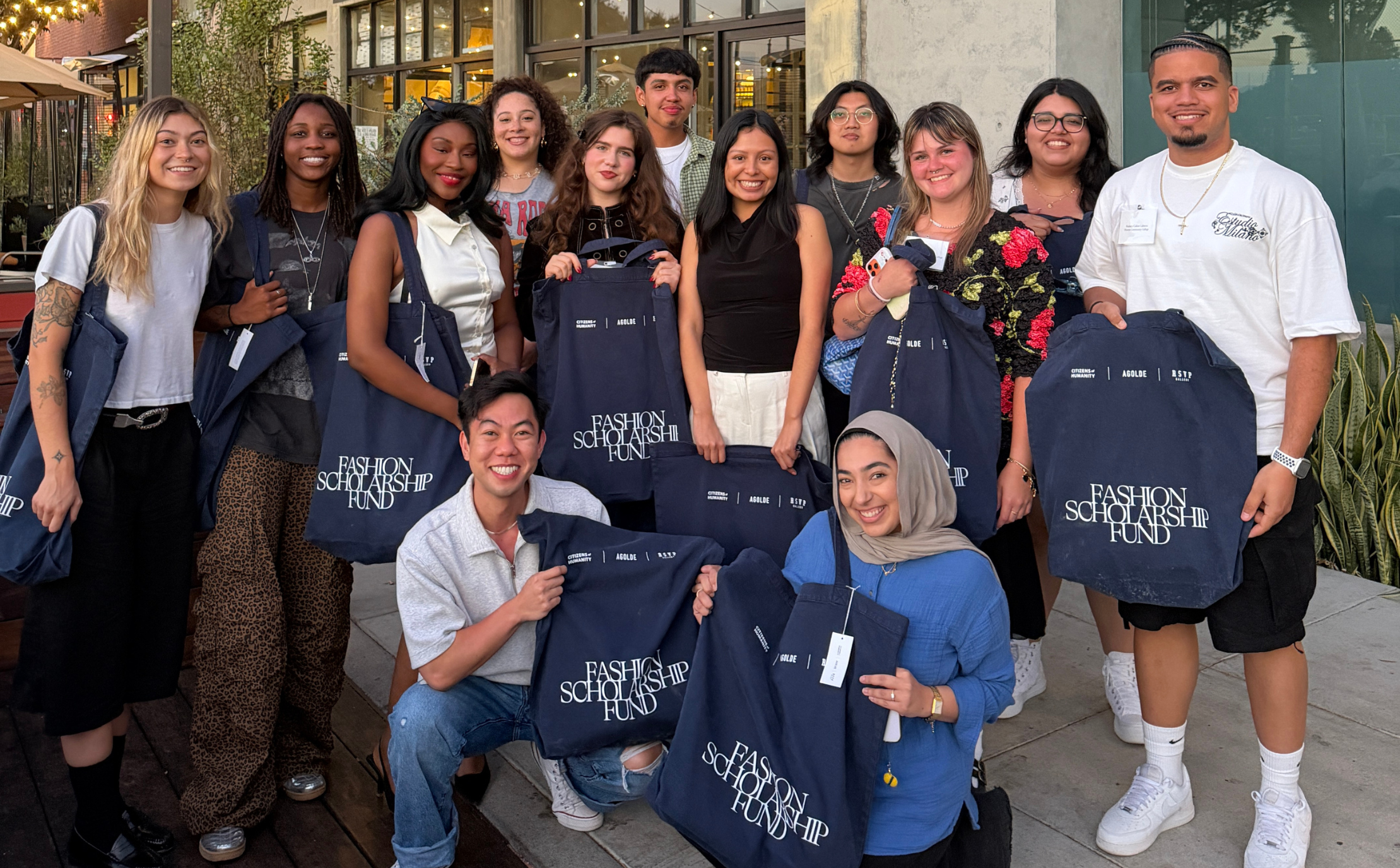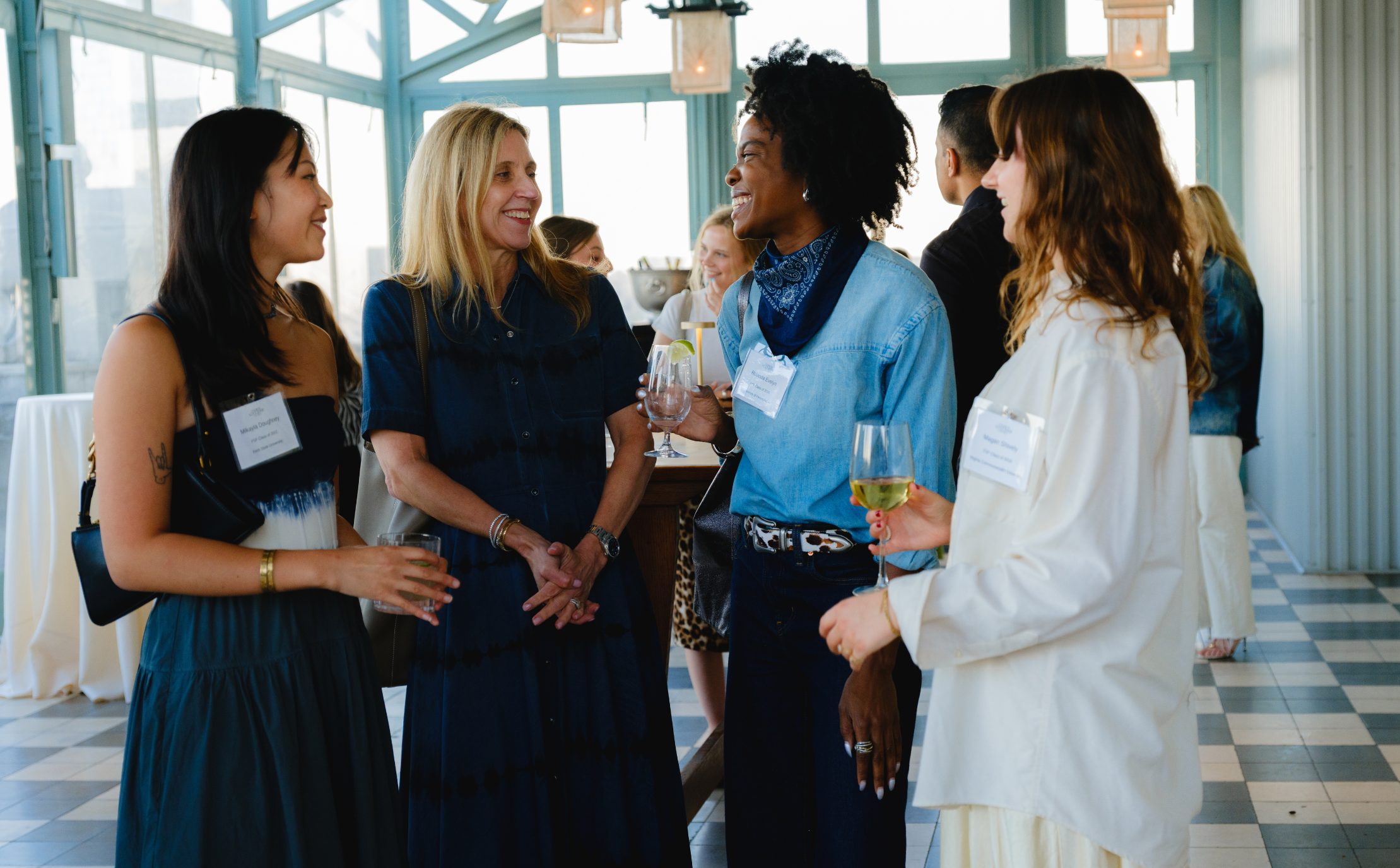
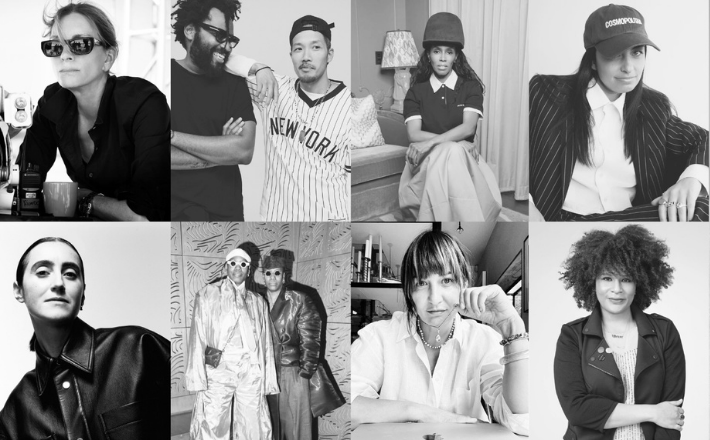
The 2026 Summer Scholar Series started with a question that will occupy the next class of FSF applicants for months: Who can the fashion industry serve better?
In May, leaders from Calvin Klein, Nike, J.Crew, and Kate Spade New York came together to unpack the 2027 FSF Case Study theme, "Unlocking Hidden Potential: Identifying High Value Consumer Groups," exploring how companies identify and serve consumer groups whose needs remain unmet. The conversation covered J.Crew’s return to print catalogs, shifting ideas about gender and product, and how established brands stay relevant as new audiences emerge.
It set the tone for the 10-week Series, which continued through August with conversations spanning design, editorial, creative direction, communications, social media, and entrepreneurship. Across those conversations, the same challenge kept coming into focus: how to build a career and make good work in an industry that rewards both a clear point of view and the ability to keep learning. Here are five lessons that came up again and again throughout the summer.
1. KNOW EXACTLY WHO YOU’RE SPEAKING TO
During Unlocking Hidden Potential: How Leading Brands Identify Overlooked Consumer Groups to Increase Profit, FSF Board Member and Calvin Klein Chief Design Officer Jess Lomax joined Christopher Bevans of Nike, Michael Mangan of J.Crew and Charlotte Warshaw of Kate Spade New York to examine how major companies find new customers without losing the people who already know and love them.
At J.Crew, that has included looking backward. Michael discussed the brand’s Rollneck Revival campaign, which brought back one of its most recognizable products with talent including Benito Skinner and Maggie Rogers. For longtime customers, the rollneck came with decades of associations. For younger shoppers, it arrived through a campaign built for the present.
"Classic American style is expanding, and it's our job to evolve in a way that keeps the integrity of the classics, but reacts to how people interpret what classic American style is today," Michael said. "It's about remixing — finding a place where they can own a piece of something that fits into their personal style or makes a statement while not being so isolated in one distinct vision of heritage or trend."
Charlotte described a more granular approach at Kate Spade New York. The brand’s Gen Z customer is internally called “the connector,” and the team uses that profile to think through product, price and how she actually shops.
"At Kate, we became very focused on who our Gen Z customer was: the connector," Charlotte said. "She's very similar to maybe who our customer was five or ten years ago. She might not carry a Heinz ketchup bag, but she might have little French fries and ketchup bottle earrings. Learning those pieces about her, or about any of your customers — really knowing who they are — is important as you try to appeal to a new or different customer."
She also recalled speaking with a consumer who described her style as extremely colorful, only to open a closet filled largely with black, white and tan. What consumers say about themselves and what their behavior shows are not always the same thing.
Jess put a finer point on what "high value" actually means in this context: "It's really thinking about who is connected to your brand DNA in a sustained way, who can you build a long-term relationship with," she said. "It's a balance between finding a niche audience who will keep coming back and consistently creating something for them."
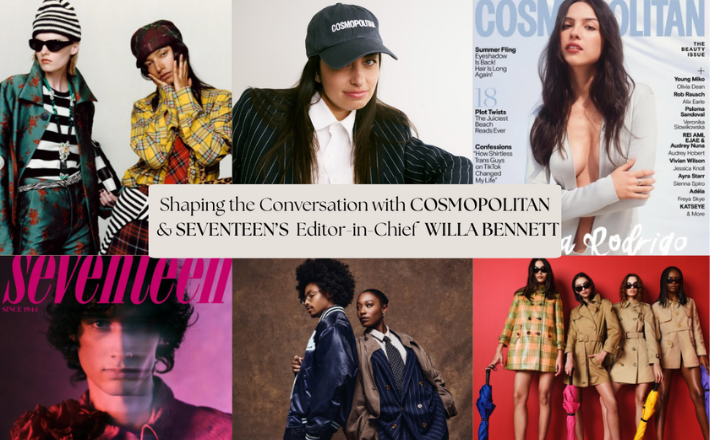
In her talk with Steff Yotka, Global Editorial Director of i-D, Cosmopolitan and Seventeen Editor-in-Chief Willa Bennett saw a parallel pattern from the media side. At Highsnobiety, she said it took roughly eight or nine months before she felt she really understood the audience. Over time, she became more selective about what belonged on each platform — comfortable letting one idea stay a single Instagram post while another grew into a larger editorial franchise.
For 2027 FSF applicants, identifying “Gen Z” or “young consumers” is still too broad. The case study gets more useful once the audience is specific enough to reveal a behavior, tension, or need that a company could realistically address.
2. LET EVERY EXPERIENCE INFORM YOUR POV
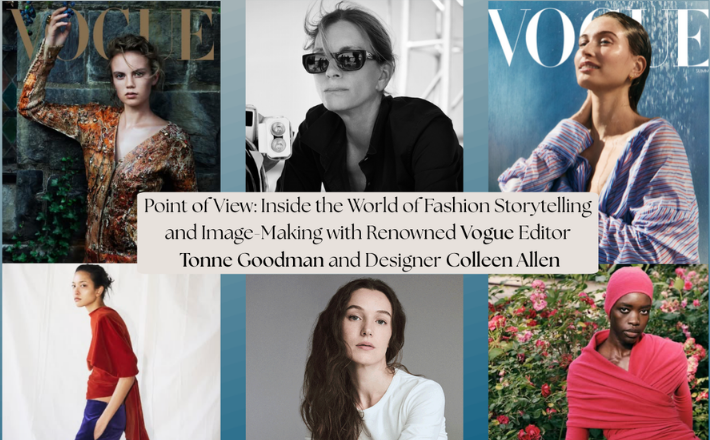
During Point of View: Inside the World of Fashion Storytelling and Image-Making, legendary Vogue editor and stylist Tonne Goodman joined designer Colleen Allen to discuss collaboration, sustainability and the process of developing creative instincts over a career.
Tonne also talked candidly about the plans that fall apart. She told Scholars that throughout her career, unexpected disruptions have repeatedly created opportunities she could not have anticipated.
"So many things have happened to me, on and off set, with designers and catastrophe," she said. "I have always said to the people that I work with, everything that happens for a reason and you have to trust it. It has happened so many times to me that what I was expecting did not come through, but if you look right around the corner, standing right next to it is an opportunity that you wouldn't have gotten if you didn't have that interruption."
“Everything happens for a reason,” she said. When something she expected failed to materialize, she learned to look around the corner for the opportunity the interruption created.
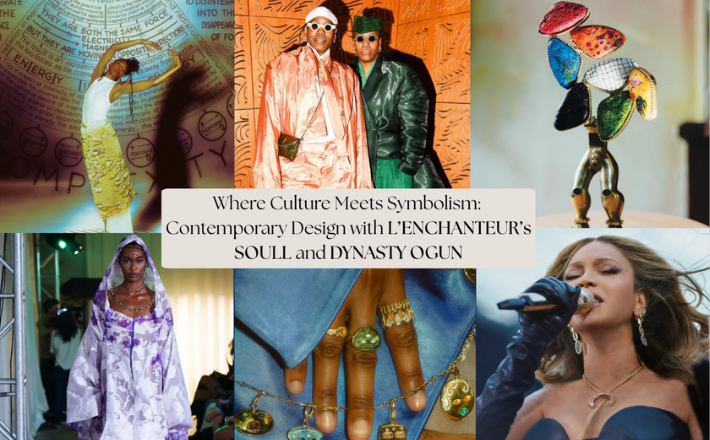
Soull and Dynasty Ogun, founders and creative directors of L’ENCHANTEUR, showed how a point of view can grow out of personal history.
Growing up in Flatbush as the youngest of six children, the identical twins deliberately pursued different schools and creative disciplines so they could bring different information back to one another.
"Exploration was a big thing for Soull and myself," Dynasty said. "We would walk blocks and blocks all the way to King's Plaza, which was several miles from our house, just looking around and seeing the neighborhood changing. I think that informed our creative writing and storytelling and the way our imagination grew."
Soull eventually taught herself metalsmithing, later discovering its connection to her family history: their father had worked with metal in Nigeria, while the family name Ogun references the Yoruba deity associated with iron and metalwork.
Those influences appear throughout L’ENCHANTEUR’s jewelry, textiles, garments and accessories. Even the name carries family history, referencing their Dominican mother’s French Creole language while bringing together two previously separate creative practices.
3. STAY CURIOUS ABOUT THE WORK
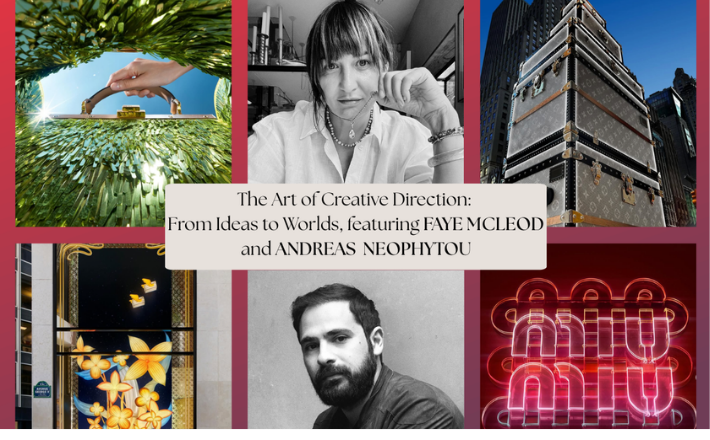
When Faye McLeod and Andreas Neophytou, co-founders of CLOSER, joined FSF for The Art of Creative Direction: From Ideas to Worlds, they took Scholars inside work spanning campaigns, experiences and cultural projects. Faye spent 16 years at Louis Vuitton and four and a half years collaborating with Virgil Abloh before co-founding CLOSER.
When Scholars asked what the studio looks for in emerging talent, Faye named curiosity and bravery first.
"People that can come to a table, take feedback, and work with others, who can have a load of fun and really have impact, and come at it with bravery," she said.
She also emphasized cultural awareness, openness to feedback and the ability to work well with other people.
Willa described a similar bar on the hiring side: "The two things I always look for, no matter what your background is: Are you ambitious? And do you actually care about this work?"
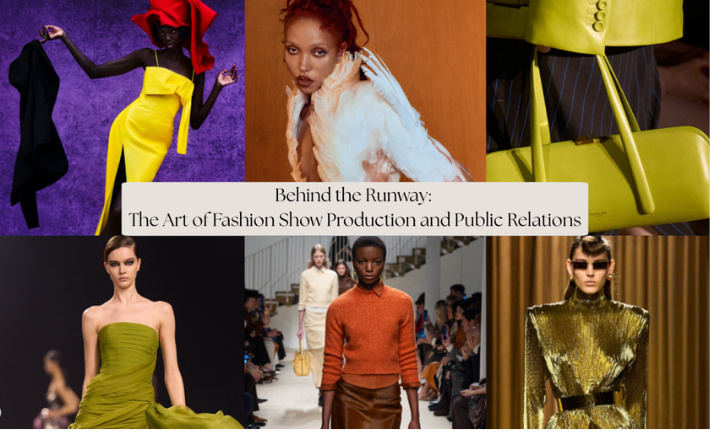
The KCD Master Class, Behind the Runway: Understanding the Role of Communications in a Fashion Show, made that advice practical.
CEO Rachna Shah, SVP of Media Relations Brie Cross and Senior Director of Digital Sofi Corti-Maderna walked Scholars through the machinery behind the fashion moments the public eventually sees. KCD’s teams work across production, events, VIP and talent relations, media relations and digital, requiring multiple disciplines to coordinate around a runway show or launch.
Rachna was equally specific about what happens at the beginning of a career, and about what to do before you're even in the room.
"The most important thing is to be as knowledgeable as you can be," she said. "Read — whether it's print, online, social — and look at how all of the media is covering the industry, how key talent is covering the industry, how key influencers are covering the industry... Maybe you don't get to be there yet, but you can still know what happened. That's a great first step."
New hires may track press coverage, send samples, produce reports, check in guests or direct people to their seats. "There are things you can learn from each part of that," she told Scholars.
4. INVEST IN THE PEOPLE AROUND YOU
Willa and Steff also spent much of their conversation talking through careers shaped by a media industry that has changed dramatically.
Willa moved through audience development at Bustle, social strategy at GQ, and the Editor-in-Chief role at Highsnobiety before returning to Seventeen, where she began her career.
Steff spoke about the people coming up alongside you. She described a generation of editors who call each other for advice, share ideas and provide a reality check when a project does not work. "One of the greatest gifts of our generation of magazine editors, writers, thinkers is that we're all friends," she said.
"Your peers…are your peers. You need to support each other, be there for each other, use each other as a sounding board."
5. HUMAN PERSPECTIVE BEATS THE ALGORITHM
AI, algorithms and platform shifts came up throughout the Series, particularly in conversations about media and social. The speakers spent more time on what those changes demand from creative people: stronger taste, clearer perspective and a better reason to ask for someone’s attention.
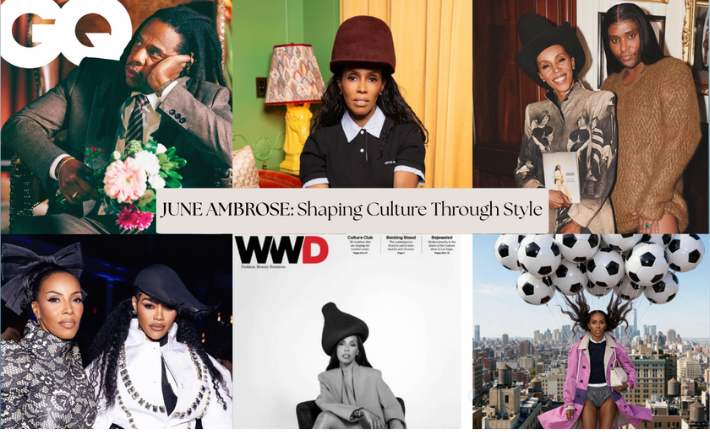
In her Master Class with Cosmopolitan Beauty Editor-at-Large Julee Wilson, creative director, costume designer, and entrepreneur June Ambrose described the imagination behind the hyperreal visual worlds she was creating long before today’s tools could produce them for her. She calls that ability her “authentic intelligence.”
"I think that that is what's going to allow us to coexist with artificial intelligence," she said. "I think that there will always be a space for human touch, human interaction… It's important that we continue to share, that we continue to create communities and environments where we are preserving the integrity of the art."
June argued that human touch, interaction, and community will remain valuable alongside artificial intelligence.
Willa and Steff reached a similar conclusion from the media side. In a feed where every publication has access to the same cultural moments, Steff argued that publishing simply because everyone else is publishing is not enough.
“It’s better to care and have something to say,” she said. Willa agreed that a media brand has to know when it can sit something out and make its perspective clear when it does speak.
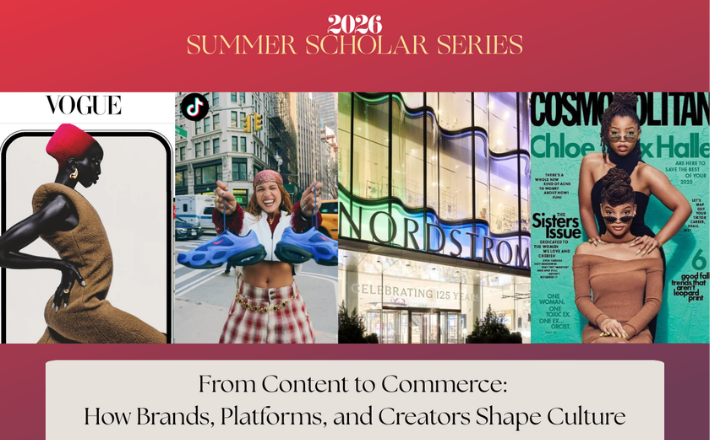
The From Content to Commerce panel took that conversation into social strategy. Leaders from Vogue, TikTok, and Nordstrom joined Cosmopolitan and Seventeen Social Media and Video Director Lucy Dolan-Zalaznick to discuss content, creators, and commerce.
Nordstrom’s Dakota Rae Lowe argued that lo-fi content has become its own formula. With Netflix running while someone scrolls TikTok, making something look "authentic" is not enough to make someone stop. "I'm really focused on bigger, better creative ideas, things that feel ownable and distinct, so they do remember us when they scroll," she said.
She described a greater focus on ownable ideas and franchises that give audiences something distinctive to remember. "That requires just knowing who you're actually talking to, spending time with that muse, that persona, that person, and getting really clear about how they're engaging on social."
Her approach starts with behavior: what the customer searches for, watches, and is already interested in buying. That detail determines where a brand has a credible reason to show up.
A CLOSING LESSON IN PARTNERSHIP
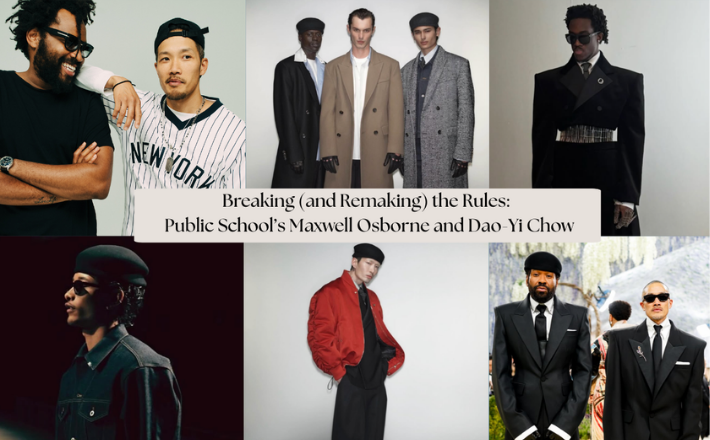
The Series concluded August 6 with Public School co-founders Maxwell Osborne and Dao-Yi Chow, who joined WWD Archives Editor Tonya Blazio-Licorish to discuss nearly two decades of creative partnership, entrepreneurship, and developing a recognizable point of view.
For Dao-Yi, building a career starts with resisting the urge to race through it. “Don’t rush to get to the next thing; it will happen, but you have to be in the now,” he told Scholars. “Put yourself where you wanna be. Even if you can’t be in the room, be outside of the room. Even if you’re not at the table, be at the next table.”
Maxwell offered a complementary lesson: “Know that you don’t know,” he said. “Be a student and be a teacher, be curious, continue to learn.”
Later that day, Scholars and Alumni gathered at the Brooklyn Museum for Iris van Herpen: Sculpting the Senses before heading to The Barlow Bar for the Summer Finale.
WHAT 2027 APPLICANTS SHOULD DO WITH THESE TAKEAWAYS
For 2027 applicants, the Summer Scholar Series now becomes a resource to use. Go back to the J.Crew, Kate Spade and Nike conversation when defining the consumer. Revisit KCD when thinking through how an idea gets executed across teams. Listen again to Willa, June and Dakota when deciding what deserves an audience’s attention.
Then create a FSF Case Study distinctive enough that it could only have come from you.