For Fashion Scholarship Fund Scholars preparing for internships and early-career positions, interviewing plays a central role in career development. Hiring timelines move quickly, interviews often happen virtually, and first impressions carry weight in competitive candidate pools.
Interviewing is a learned skill. With practice, feedback, and reflection, Scholars strengthen how they communicate their experiences and goals. This focus sits at the center of FSF’s workforce-readiness programming, including FSF’s bi-annual Talent Acquisition Events, where Scholars connect directly with recruiters from fashion, retail, and consumer brands.
To support Scholars ahead of interview season, FSF gathered insights from hiring leaders who regularly evaluate early-career candidates. This guidance reflects perspectives from talent and recruitment leaders across fashion, retail, and consumer brands, including representatives from 24 Seven, Ross and Fanatics, as well as hiring leaders from Gap Inc., Korn Ferry, LVMH, and UNIQLO who participated in FSF’s Summer Scholar Series’ Dream Role Ready: From Resume to Reality.
WHAT EMPLOYERS LOOK FOR IN EARLY-CAREER CANDIDATES
Hiring managers approach interviews with a focus on clarity, motivation, and communication. For internships and entry-level roles, interviews reveal how candidates understand their path and articulate their interests.
“A candidate who can tell their ‘why’ story with energy, passion, and a unique point of view stands out to me every time,” says Bert Stewart, Senior Manager of College Relations at Ross. “Why did you choose your major? Why did you apply for our internship? Why are you excited about a career in retail?”
That clarity signals intention and self-awareness. When candidates reach the interview stage, their resumes have already demonstrated baseline qualifications. Interviews provide insight into personality, curiosity, and conversational ability.
“For many companies, if you’ve made it to a live interview, that means your resume or technical skills stood out,” Bert adds. “The point of the interview is to make sure your personality and soft skills align with the company’s needs.”
That emphasis on soft skills is echoed across the industry. Tammy Chatkin-Newman, Executive Vice President at 24 Seven Inc., notes that early-career hiring often comes down to presence and attitude.
“It is often not what candidates say, but how they present themselves,” Tammy shares. “We look at the resume as a whole. Eagerness to learn, grow, and work really stands out. Soft skills are just as important.”
HOW TO PREPARE BEFORE THE INTERVIEW
Preparation strengthens confidence and focus. Effective preparation begins with a close review of the job description and an understanding of how the role fits within the organization.
“Review the job description of the role you want a day or two before the meeting,” Bert says. “Pick out three bullet points in that job that you know you can do with passion and precision. Then make sure you weave those points into your conversation with the interviewer.”
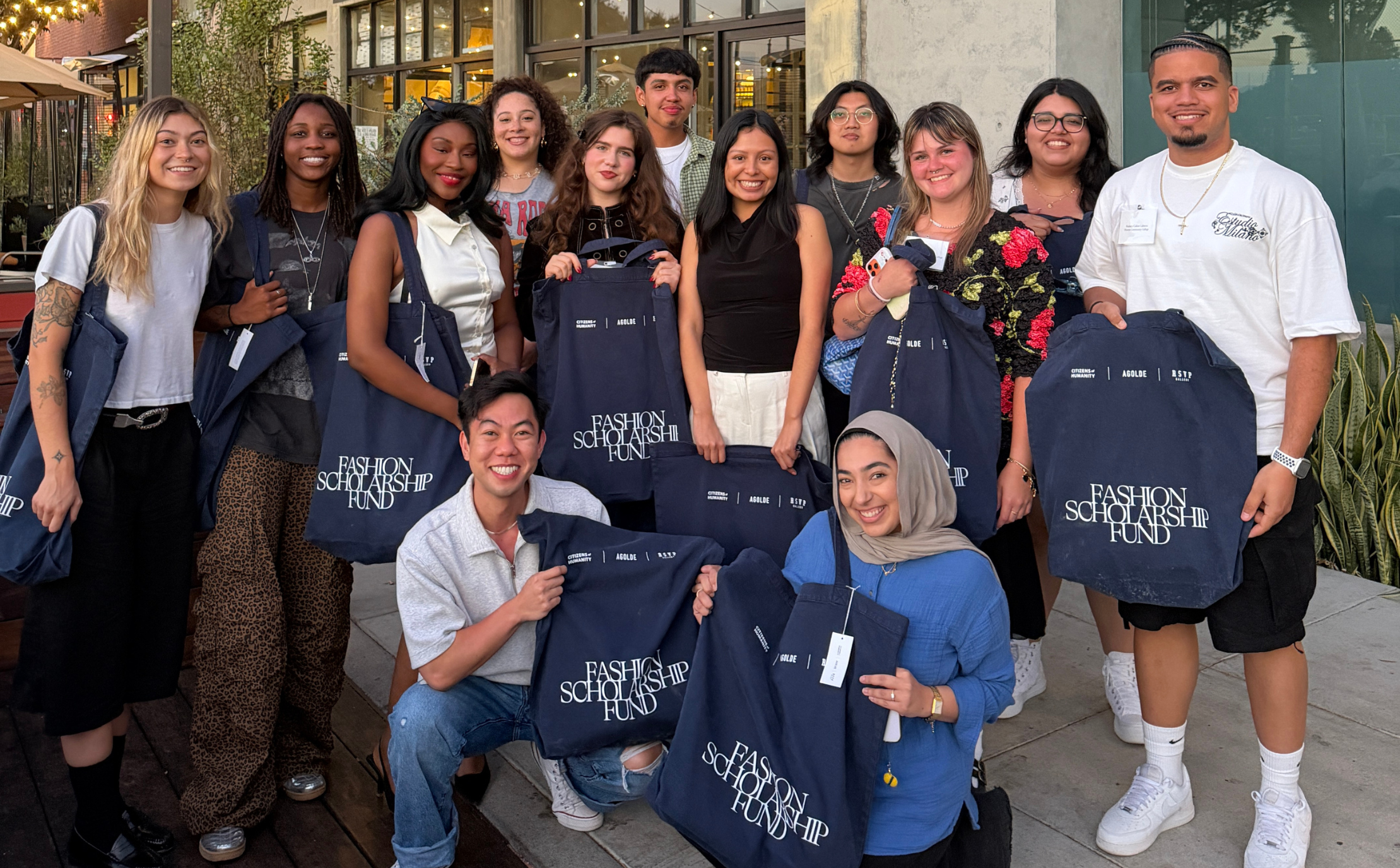
Recruiters reinforced this approach during the FSF Summer Scholar Series, emphasizing preparation that reflects context and coherence. Divina Gamble, Managing Partner at Korn Ferry, encouraged candidates to think beyond individual answers.
“Think about the overall story that you are telling and what your digital presence looks like,” Divina shared during the session.
Tammy also emphasizes preparation that reflects genuine familiarity with an organization. “If you have not done a deep dive on the website or looked at the company’s presence on LinkedIn and social media, you have done yourself a disservice,” she says.
Preparation also means selecting concise, real examples from your coursework, internships, or campus leadership that support the story you want to tell and reinforce how your experience aligns with the role.
ANSWERING QUESTIONS WITH CLARITY AND CONFIDENCE
Interview questions invite storytelling. Clear structure helps responses remain focused and memorable.
During the Summer Scholar Series, Alexander Morffi-Correoso, Director of Talent Acquisition and Development at LVMH Fashion Group, emphasized pacing when responding to broad prompts.
“Practicing is so important,” Alexander shared. “It can end up being a twenty-minute answer, and you want it to be a three- to five-minute answer.”
He also highlighted the value of personal context when relevant. “You might tell something personal, because that might be part of the lens through which you look at your career,” Alexander said. “Then think about what three points you want the interviewer to come away with.”
The goal is to blend personality with precision, sharing enough personal perspective to feel authentic, while keeping your response focused on clear, relevant takeaways. Corina Sippel-Guglielmo, Recruiter at Fanatics, notes that clear examples help candidates show both capability and character.
“Skills can be taught, but attitude and willingness to learn really stand out,” Corina said.
COMMON INTERVIEW MISTAKES AND HOW TO AVOID THEM
Certain patterns consistently weaken interviews. One issue recruiters increasingly observe in virtual settings is limited eye contact.
“A physical mistake I’ve been seeing more and more is candidates’ inability to maintain eye contact,” Bert says. “Most recruiter and candidate interactions are via videoconference, and an inability to make eye contact shows iffy self-confidence.”
Recruiters also emphasize professionalism when discussing past experiences. Divina encouraged candidates to maintain composure and clarity.
“Never speak negatively about others,” Divina shared during the Summer Scholar Series session. “Think about a professional and crisp way of answering.”
Tammy cautions against rigid expectations early in a career. “That first job often teaches invaluable skills that shape a long-term career,” she notes.
AFTER THE INTERVIEW: STAYING CONNECTED
Follow-up communication reinforces professionalism and long-term relationship building.
Bert recommends preparing a concise, reusable thank-you email.
“Compose a four-sentence email that you can save and reuse time and again,” Bert says. “Thank the interviewer for their time. Recall one or two unique points from the conversation. Reaffirm that you are the right candidate for the job. In the last sentence, share that you look forward to hearing about the next steps.”
Corina recommends a timely, specific follow-up. “Send a thank-you within twenty-four hours, keep it concise, and reference something specific from the conversation,” she says.
Connection extends beyond a single interview. During the FSF Summer Scholar Series, Jess Spencer, Senior Manager of Talent Acquisition at Gap Inc., encouraged Scholars to think about professional relationships as ongoing, not transactional.
“LinkedIn is for current connections and future connections,” Jess shared. “Think about who is in your community and who can advocate for you.”
When candidates do not receive an offer, professionalism still matters. Maintaining connections and expressing gratitude can shape future opportunities.
“Great candidates are hard to find,” Tammy adds. “Hiring managers remember them.”
A NOTE TO FSF SCHOLARS
Interviews create opportunities for connection, clarity, and growth. Each conversation builds experience and confidence over time.
The Fashion Scholarship Fund community supports Scholars throughout this process, from preparation to placement. Our bi-annual Talent Acquisition Events offer a moment to apply these skills, engage with recruiters, and continue building professional momentum through direct conversation and connection.
Preparation creates confidence. Practice builds fluency. Every interview adds value to the journey