



Featured Q&A
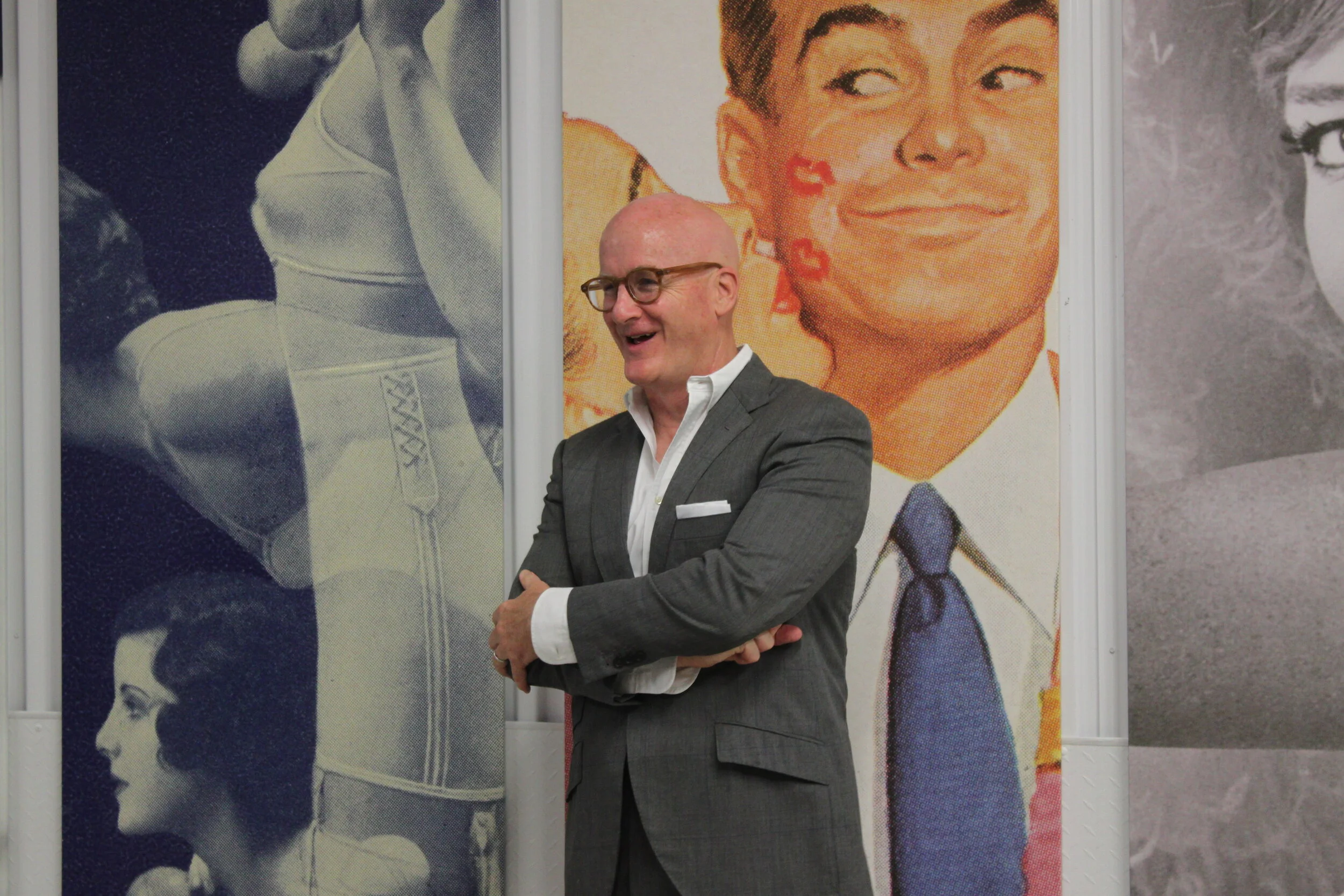
INVESTING IN FASHION’S FUTURE
An interview with FSF Executive Director, Peter Arnold
By Michelle Kehm
When Peter Arnold was named executive director of the Fashion Scholarship Fund in 2018, he was considered a unicorn candidate. Arnold’s tenure at the CFDA, followed by years in the fashion industry as the president or chief executive officer of a number of prestigious brands made him an ideal fit. And from Arnold’s point of view — his joining the FSF was a serendipitous opportunity.
Michelle Kehm, former Copy Director of Vogue Studio, had a chance to speak with Arnold about why he joined the FSF, how more people can get involved, and the future of the fashion industry.
MK: What was it about the FSF that made you want to be a part of it?
PA: I have a lifelong passion for nurturing young talent and so my role here at the FSF is the perfect marriage. The mission of the FSF and my own are closely aligned. I believe the fashion industry is made better by young talent, especially underrepresented talent, that is identified and nurtured.
MK: Tell me a little bit about your role at the FSF.
PA: As Executive Director, I have the privilege of overseeing a mission that was launched 83 years ago. We work with 66 schools and give over $1 million to approximately 200 students annually. In addition, each of the scholarship recipients gets matched with a mentor, each is placed in an internship, and after graduation, we continue to provide professional development to an engaged alumni network.
MK: What’s the most meaningful part of your job?
PA: I love that I get to have a one-on-one connection with students and alums. I thoroughly enjoy doing what I can to make a difference in the lives of talent, whether it’s connecting them to someone I know in the industry, giving them resume advice, or offering constructive suggestions about their nascent business.
MK: How does the FSF fit into the future of the fashion industry?
PA: I do think that fashion has a bright future, but it will be markedly different from what it is today. The FSF’s role in this dynamic is to make sure our partner schools are training students for realistic opportunities and that our corporate partners are connected to the talent they need. And it’s an absolute requirement that we connect with under-represented talent and bring it forward — that’s the best future for us and for the industry.
MK: Other than financial support, what can people do to support the FSF?
PA: We need mentors. We need judges. We need folks to host events for our scholars and alums. We need experts to participate in our panels and round tables. We need “bosses” who, by their example, can show our students and alums the way forward. We need corporate partners who have summer internship and entry-level hiring needs.
MK: Tell me one thing about the FSF that most people don’t know but should. PA: When I speak to folks about the FSF, I almost always hear, “I had no idea about the amazing things you do!” We need to generate more awareness about what we do, and that we’re doing it with hundreds if not thousands of students across the country. We need to make more noise about it!